
Arrest Warrants in White County
An arrest warrant in White County begins with a sworn complaint. Tennessee Rule of Criminal Procedure 4 sets the standard. A judge or magistrate reviews the complaint for probable cause. If it holds up, the court issues process directing an officer to arrest the person named. The same rule lets a court choose a summons instead, which orders an appearance without an arrest. Either way, the rule creates no online county warrant lookup. The White County Circuit Court Clerk lists issuing warrants and summonses among its duties and keeps the General Sessions and Circuit Court records. The clerk can trace the court record path, while the judge decides whether process issues at all. A docket category alone is never a live warrant confirmation.
White County Warrant Applications and Review
Every White County warrant application starts with a complaint. Under Rule 4, the issuing judge or magistrate makes an independent probable-cause call from the sworn information. A police investigation or a prosecutor's filing does not by itself prove that a warrant was issued. The White County Circuit Court Clerk maintains warrant and summons records, though the office publishes no public application queue, local warrant-number format, or online approval status. For a particular case, ask the clerk which court received the complaint and how to inspect an available record. Do not assume a warrant exists from an accusation, an arrest, or a docket line alone. The White County Circuit Court Clerk page names the local records office.
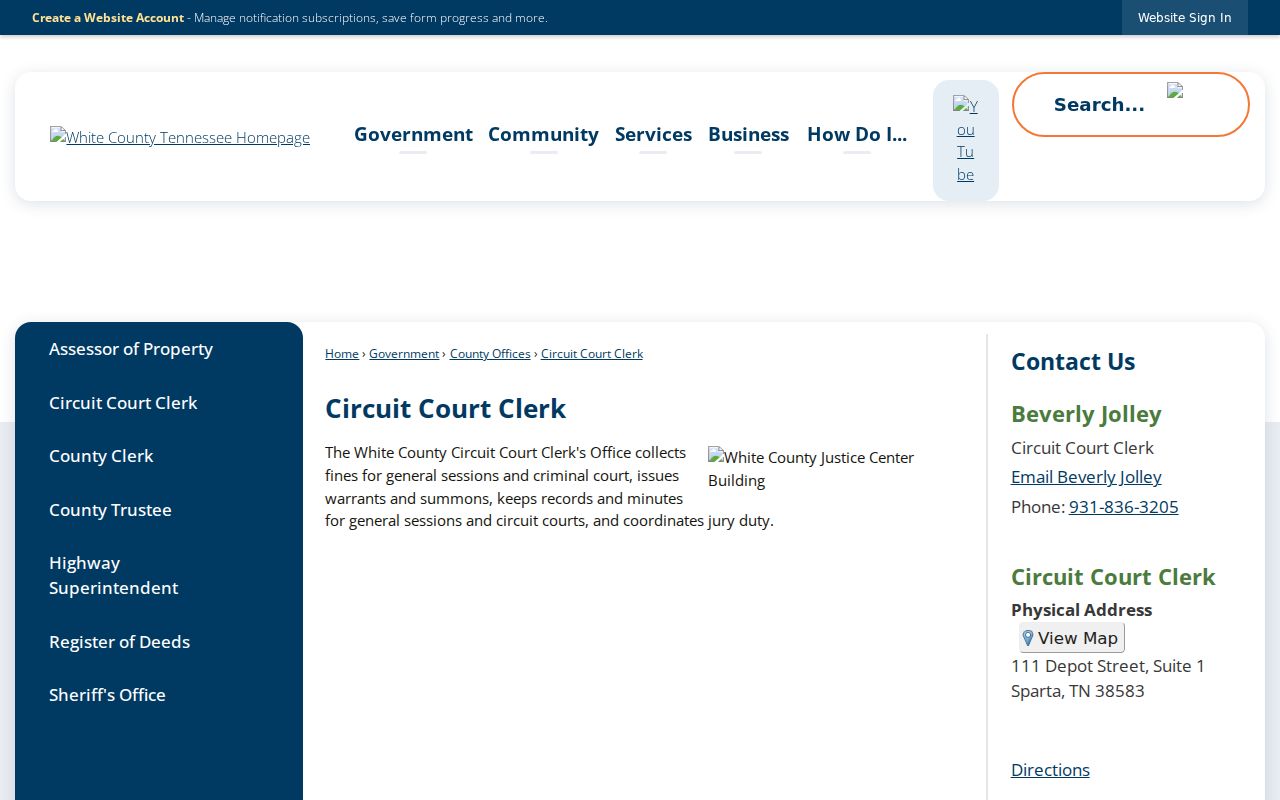
Ask which court holds the complaint before requesting a copy.
What a White County Arrest Warrant Contains
Tennessee's statewide arrest-warrant form has set fields. It names the issuing court and county, the defendant, the case number, the alleged offense, the probable-cause basis, and the judicial authorization. Directions for execution and return may appear as well. Those fields promise nothing about public docket visibility. The blank state form is not a live White County case.
| Case identifier | No local public format posted; use the number on your own paper. |
|---|---|
| Named person | Check spelling and identifying information with the clerk; do not publish another person’s details. |
| Charge / offense | Read the charge with its case context; an allegation is not a finding of guilt. |
| Issuing court | Confirm the court and judicial officer on the official record. |
| Bond terms | Verify current amount and conditions with the issuing court or counsel. |
| Issue / return | A date or officer return can help establish sequence, not current status by itself. |
White County Dockets and Warrant Dates
WhiteCCC groups its General Sessions and Circuit dockets by category. Its landing page tells readers to check the prepared date. Updates may lag. A docket can help you find a case event, but the entries do not guarantee that each warrant, affidavit, or service return appears online. A missing line therefore cannot certify that no process exists in White County. Match the court, the case number, and the event, then ask the White County Circuit Court Clerk whether a later order, service return, or recall changed the record. Access can also turn on sealing, redaction, or a statutory exception. Start with the WhiteCCC docket categories, then confirm status with the court.
The county docket is a case reference, not a complete warrant roster.
How White County Arrest Warrants Are Served
The White County Sheriff's Office answers arrest and service questions for the county. Its public page gives office information only. No dedicated warrant desk appears there. No searchable service roster either. Sparta Police handle municipal matters, so ask the city which agency holds a city case. Doyle ordinance matters follow the sheriff-enforcement agreement in the town code. An officer executing a warrant must follow the order and applicable law. The county promises no particular service location, schedule, or advance notice online. For a case-specific question, call the White County office on its published number.
White County Booking and Release Questions
A booking record covers custody after an arrest. It is not the court file that authorized the process. The Sheriff's Office site links an inmate lookup, but a custody page cannot show every outstanding warrant or establish that a case has ended. The Circuit Court Clerk keeps White County court records. The court itself controls bond, conditions, and later orders. Ask the White County jail or sheriff about custody and safe logistics only. Confirm the judicial case status with the issuing court. No countywide bond amount, surrender window, or release timetable is set. The Sheriff's Office contact page is the official county service route. For a separate federal matter, use the Middle District of Tennessee court site, since county offices do not confirm federal process.
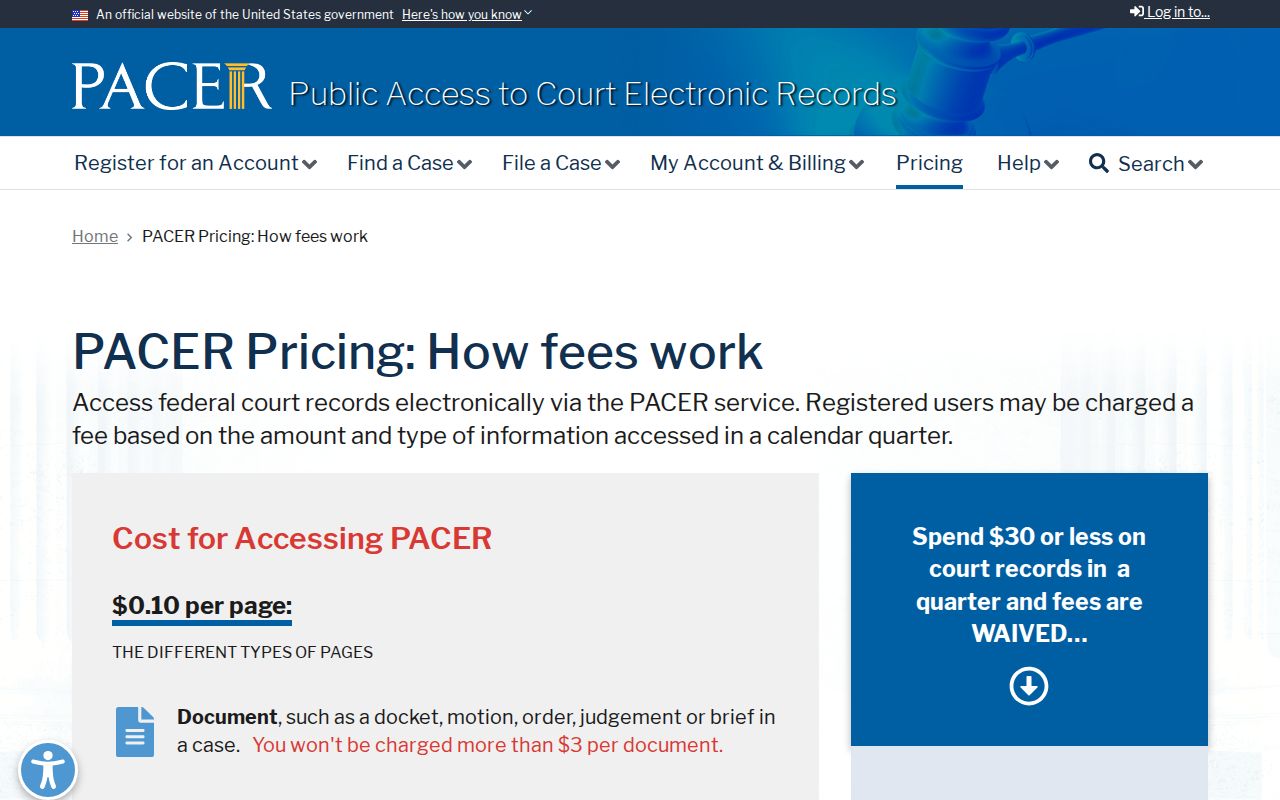
Federal process is a separate court record; check it with the issuing federal court, not White County offices.
Arrest Warrant vs Summons vs Bench Warrant
Rule 4 draws a line between the two. An arrest warrant directs an officer to arrest. A summons orders an appearance without an immediate arrest. A bench warrant or capias is court process tied to a pending matter or a missed obligation, and the issuing court decides what applies. See the White County bench warrant process for that separate route.
| Feature | Arrest Warrant | Summons | Bench Warrant |
|---|---|---|---|
| What it orders | Officer to arrest the named person | Person to appear in court | Arrest or appearance under court process |
| Basis | Sworn complaint and probable cause | Court chooses summons under Rule 4 | Existing case or failure to comply |
| Who issues it | Judge or magistrate | Court or authorized officer under rule | Issuing judge |
| Response | Confirm through counsel and court | Attend by the date ordered | Ask court about appearance or recall |
White County, Sparta, and Federal Process
Which paper are you holding? White County General Sessions and Circuit Criminal cases live in county court records kept by the Circuit Court Clerk. Sparta City Court runs its own ordinance and citation procedures, and its CitySen payment page is not a county warrant index. Doyle's code reserves its municipal-court title and assigns ordinance enforcement to the sheriff by agreement. So a White County warrant search has to match the court named on the document.
Federal process is a different world. White County sits in the Northeastern Division of the U.S. District Court for the Middle District of Tennessee, whose divisional office is in Cookeville. No county search can settle the status of federal process. Ask the issuing court or your counsel. The Tennessee Rule 4 text lays out warrant and summons procedures. Go by the court name printed on the paper, and county, city, and federal records stay distinct.
White County Juvenile Files Have Special Limits
Juvenile records work differently in White County. An arrest-related question involving a juvenile may never show up in a public docket. Tennessee Juvenile Rule 114 shields dependency and neglect records and lets other juvenile matters be closed too. A blank online result proves nothing either way. Ask the Juvenile Court clerk about access to a specific record. A parent, guardian, or attorney may need to make the inquiry personally. Never publish a child's name or case details just to test a search. The full Tennessee Juvenile Rule 114 access rule spells out the limits.
What to Do If There Is a Warrant for You
Found a possible White County warrant in your name? Confirm the issuing court and its current status before trusting a search result or an old notice. A lawyer can call the court for you. Counsel can also tell you whether a voluntary appearance or surrender fits, and advise on bond or a motion to recall or quash. White County offers no online clearance method or countywide surrender schedule.
Important: If you believe process is outstanding, ask counsel to verify it with the issuing court and arrange any appearance or surrender safely.